


Plastic has become an omnipresent material in daily life—found in food packaging, water bottles, and utensils—yet scientific researchers warn that toxic chemical components in these plastics pose significant long-term health risks.
A primary example is bisphenol A (BPA), a toxic chemical compound linked to severe disruptions in immune, neurological, and endocrine systems. Due to these health risks, BPA regulations and usage restrictions have been implemented internationally, including in Chile.
This widespread risk raises urgency around plastic safety, particularly in low-cost children's products like toys, food storage containers, and one of the most frequently used items: baby bottles.
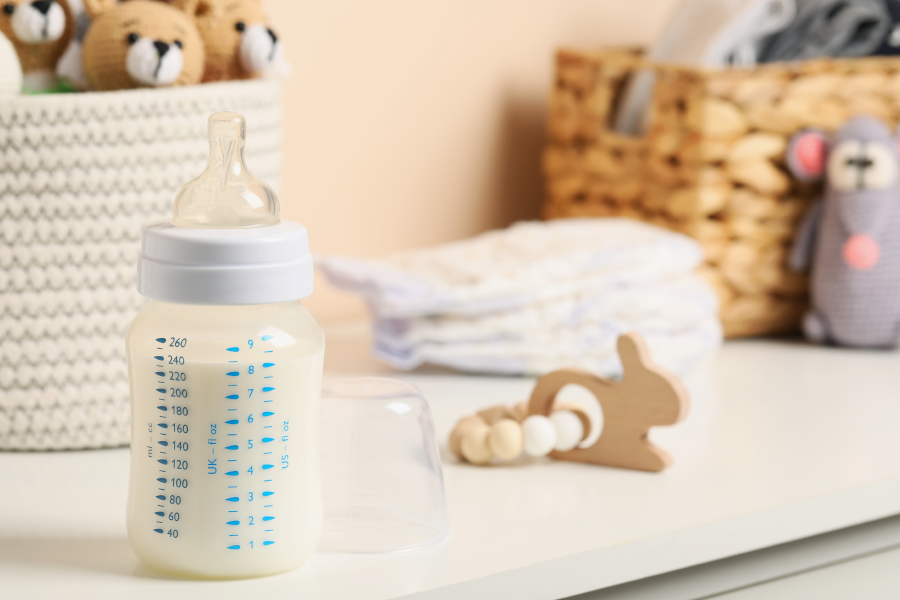
In this vein, Dr. Jaime Pizarro, a researcher at the Faculty of Chemistry and Biology at the University of Santiago de Chile, is leading a recently awarded Fondecyt Regular project to study the migration of compounds from different types of plastics used in baby bottles into the liquids they contain.
The research evaluates how environmental factors such as heat exposure, light degradation, and reuse duration accelerate chemical leaching from plastic bottles into children's drinks—a process that could directly impact the pediatric endocrine system.
“We currently don't know if heating a baby bottle—even those labeled BPA-free—causes plastic degradation compounds to migrate into milk or water; however, scientific consensus confirms exposure to endocrine disruptors in plastic products can harm child development,” explains Dr. Jaime Pizarro.
Endocrine disruptors are natural or synthetic chemicals that alter the body’s hormonal system by mimicking, blocking, or disrupting natural hormones. Commonly found in everyday items like plastics, cosmetics, and pesticides, these compounds are linked to severe developmental abnormalities, hormonal imbalances, and reproductive health issues. Their impact is most dangerous during early childhood development, directly interfering with critical growth milestones.
“To date, no systematic study addresses the combined impact of heat, light exposure, and storage time on baby bottle safety—especially during daily usage like repeated heating and long-term reuse. Nor has their capacity to generate migrating chemical compounds into milk or water been accurately measured,” explains Dr. Jaime Pizarro.
Sensors to Understand How Plastic Behaves
To address this challenge, the team is developing advanced electrochemical sensors designed to detect specific endocrine disruptors such as nonylphenol (NP) and dibutyl phthalate (DBP)—toxic compounds commonly found in commercial plastics. Using electrodes modified with molecularly imprinted polymers (MIPs), these devices will identify and quantify chemical migration in milk and water samples from baby bottles subjected to varying usage conditions.
“We have extensive experience with electrochemical sensors, which offer a low-cost alternative to traditional chromatography techniques while remaining highly customizable for specific compound detection; furthermore, we will cross-validate all sensor results using chromatographic analysis to ensure maximum accuracy,” adds Dr. Jaime Pizarro.
The four-year project includes sensor development, validation, and systematic evaluation of plastic baby bottles under real-world usage conditions. Beyond testing, the team aims to generate scientific evidence that drives stricter product safety standards, transforms plastic manufacturing, and raises awareness around chemical exposure in infant nutrition.
“While this high-impact research is critical, raising public awareness is equally essential: plastic is hard to avoid, but we can foster informed use, especially in infant nutrition. Generating accessible scientific knowledge for society is, in the end, a primary goal of this Usach research project,” concludes Dr. Jaime Pizarro.